Eight places that give you the real city — what they are, why they matter, and how to see them.
See the murals at Wynwood Walls
Wynwood was a garment and warehouse district until 2009, when developer Tony Goldman turned six blank walls into an outdoor gallery. Today the whole neighborhood rotates murals by international artists, block after block, between breweries, coffee roasters and galleries. Because the walls are repainted constantly, no two visits look the same.
Good to know: Mornings are cooler and far better for photos; the bars fill up after sunset.
Drink a cafecito on Calle Ocho in Little Havana
Southwest 8th Street is the main street of Cuban Miami, settled by exiles after 1959. Order a colada at a walk-up coffee window, watch cigars hand-rolled the traditional way, look in on the domino players at Domino Park, which opened in 1976, and pass the Tower Theater, a 1926 movie house that began subtitling Hollywood films in Spanish for new arrivals.
Good to know: A colada is meant to be shared — it comes with small cups for your group.
Walk the Art Deco district in South Beach
Roughly 800 protected buildings of pastel curves, porthole windows and neon line Ocean Drive and the streets behind it, built after the 1926 hurricane and saved from demolition in the 1970s by preservationist Barbara Baer Capitman. It is the densest collection of Art Deco architecture anywhere.
Good to know: All five of our pick-up points sit on Collins Avenue, so you start your day right here.
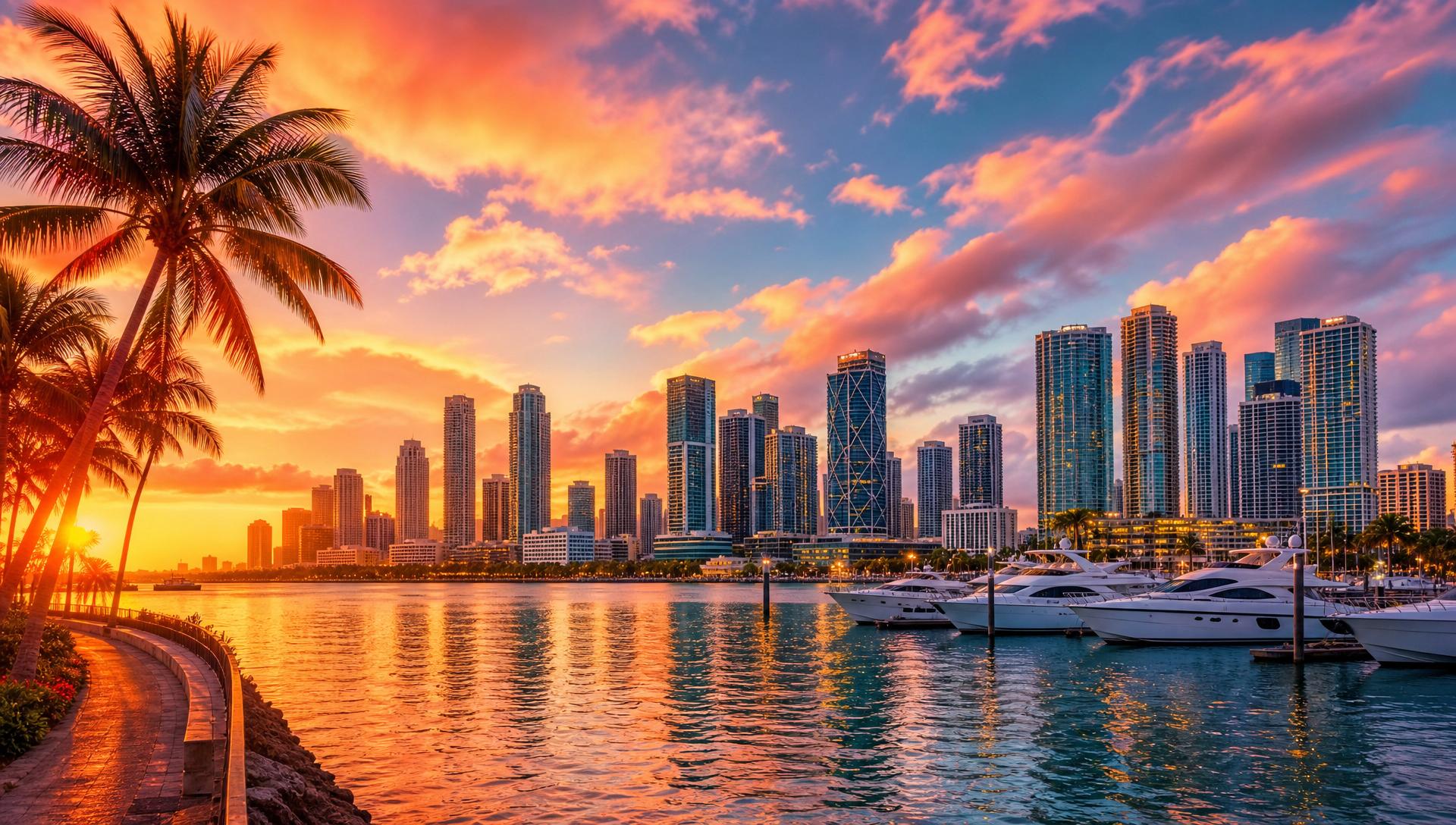
Cruise Biscayne Bay from Bayside
The bay is the reason the city exists: Flagler's railroad reached this shoreline in 1896 and Miami was incorporated months later. From the water you get the classic view — downtown towers behind you, the cruise port to the south, and the celebrity homes of Star Island straight ahead.
Good to know: The boat cruise is an optional add-on you can select when you book a day tour.
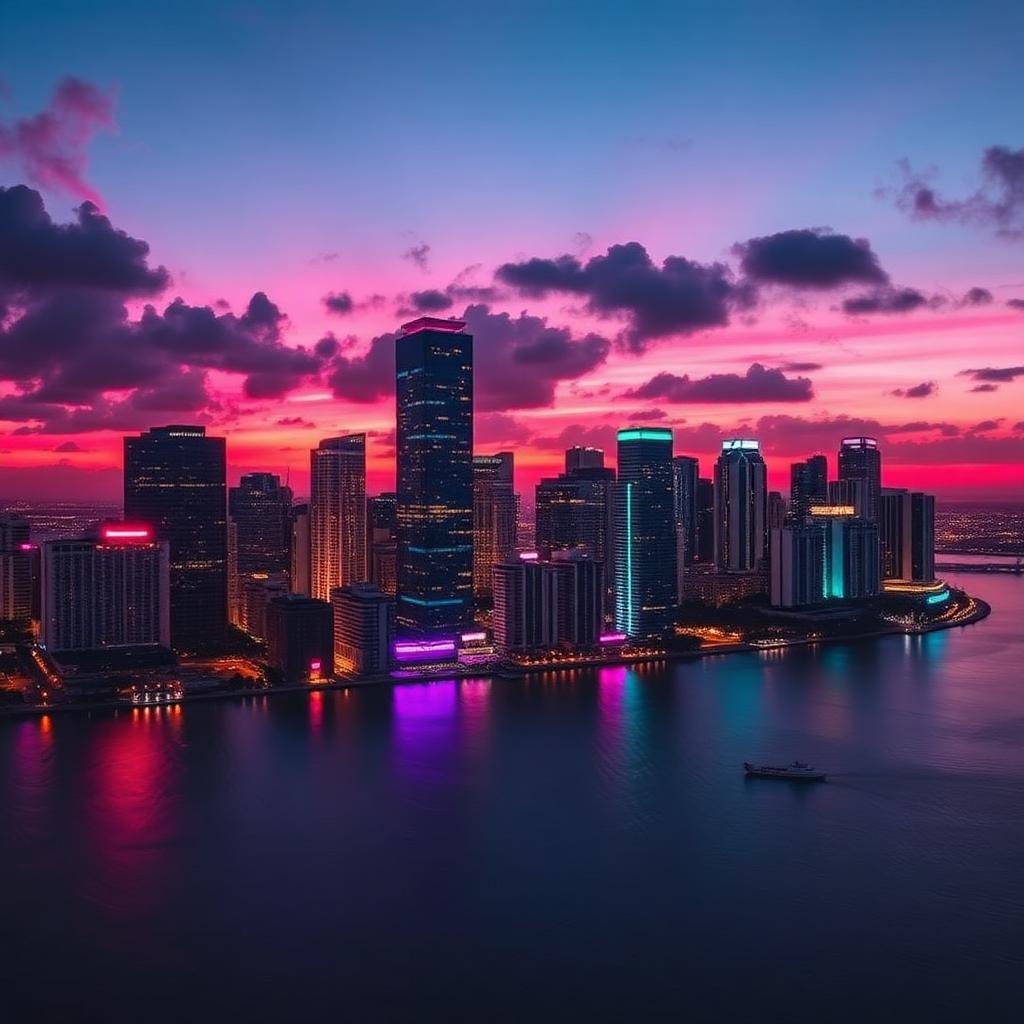
Go out at night in Brickell
Brickell started as a trading post on the Miami River in 1871 and became Millionaires' Row, then the banking core of the Americas. Now it is a canyon of glass towers with rooftop bars and a late-night crowd, and it is the busiest stretch of our night tour.
Good to know: Dress code at rooftop bars is smart casual — skip beachwear and flip-flops.
See the Biltmore Hotel in Coral Gables
George Merrick laid out Coral Gables in the 1920s as a whole Mediterranean Revival city of coral-rock walls, plazas and fountains. Its landmark, the Biltmore, opened in 1926 with a 315-foot tower modeled on the Giralda in Seville and the largest hotel pool in the country, and served as a military hospital in World War II.
Good to know: The lobby and grounds are open to visitors — worth ten quiet minutes.
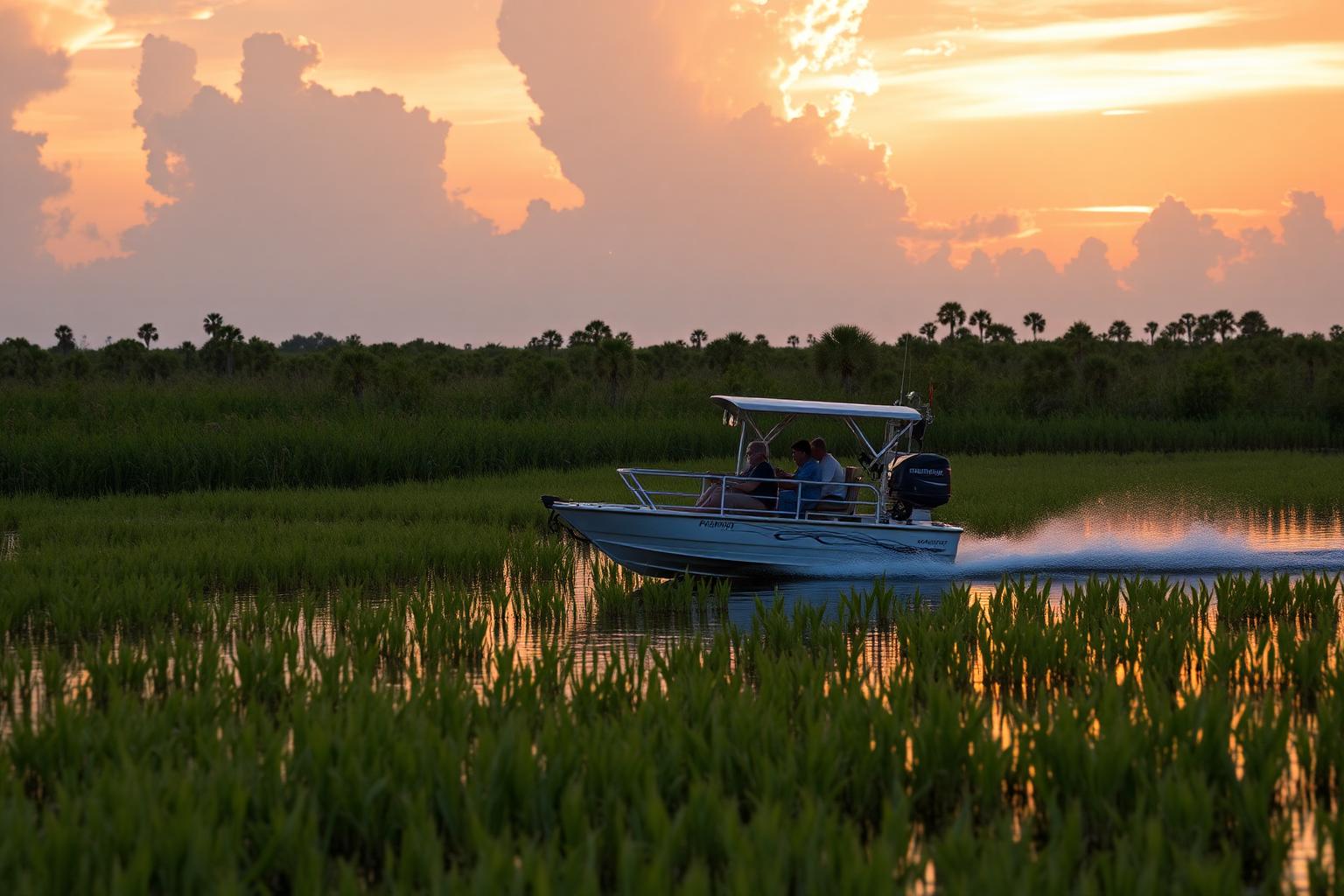
Take an airboat into the Everglades
The Everglades is not a swamp but a river fifty miles wide and inches deep, flowing from Lake Okeechobee to Florida Bay. Marjory Stoneman Douglas named it the River of Grass in 1947, the year it became a national park. An airboat crosses sawgrass prairie where alligators, herons and turtles live in the wild.
Good to know: Bring sunglasses and a hat; there is no shade out on the water.
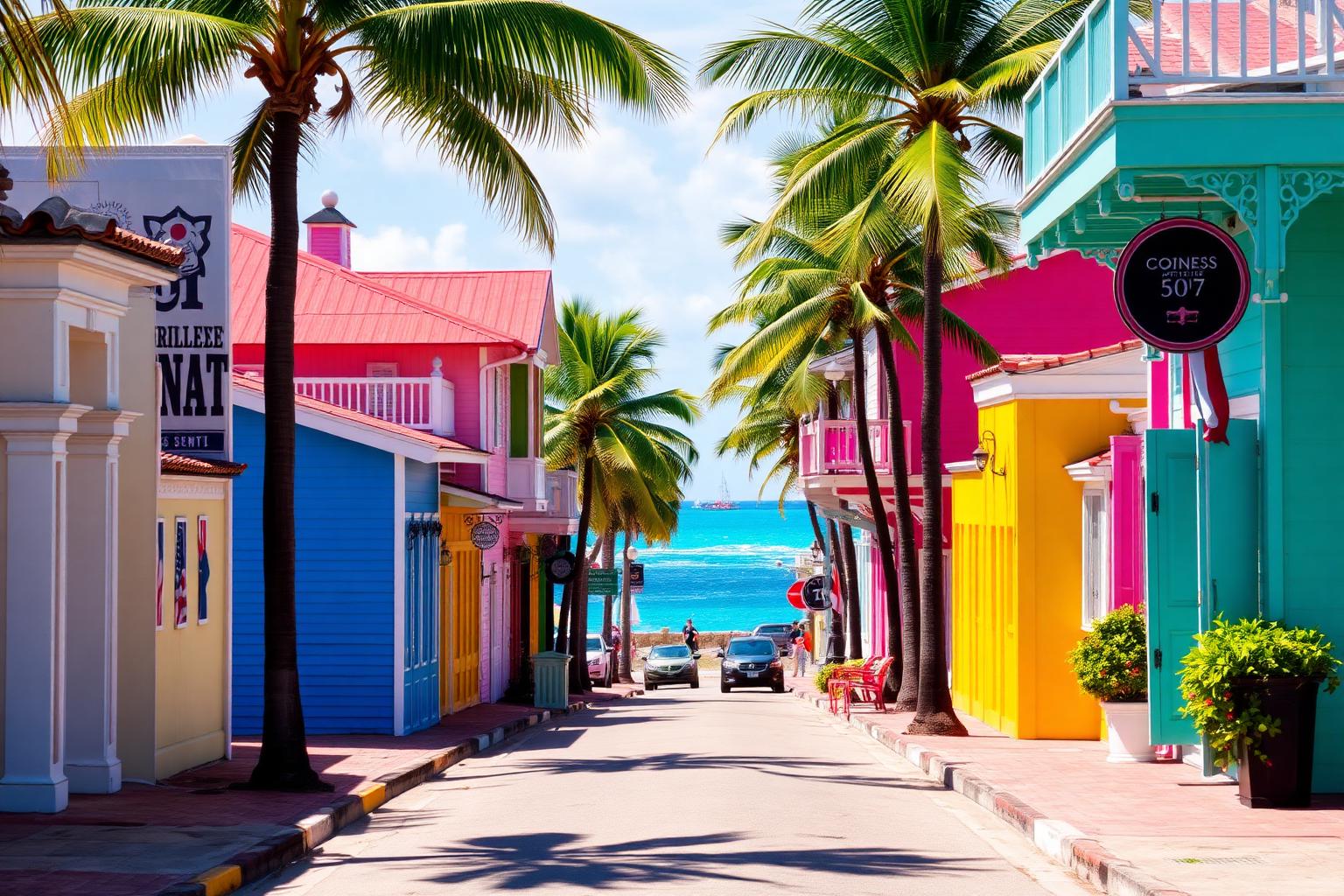
Drive the Overseas Highway to Key West
Key West was once the richest city per capita in the United States, built on wrecking, sponging and Cuban cigar factories. Flagler's Overseas Railroad reached it in 1912 and its bridges became the highway you drive today, past open water most of the way. Duval Street runs bar to bar and the Southernmost Point sits ninety miles from Havana.
Good to know: It is a long day trip — leave early and plan on a late return.